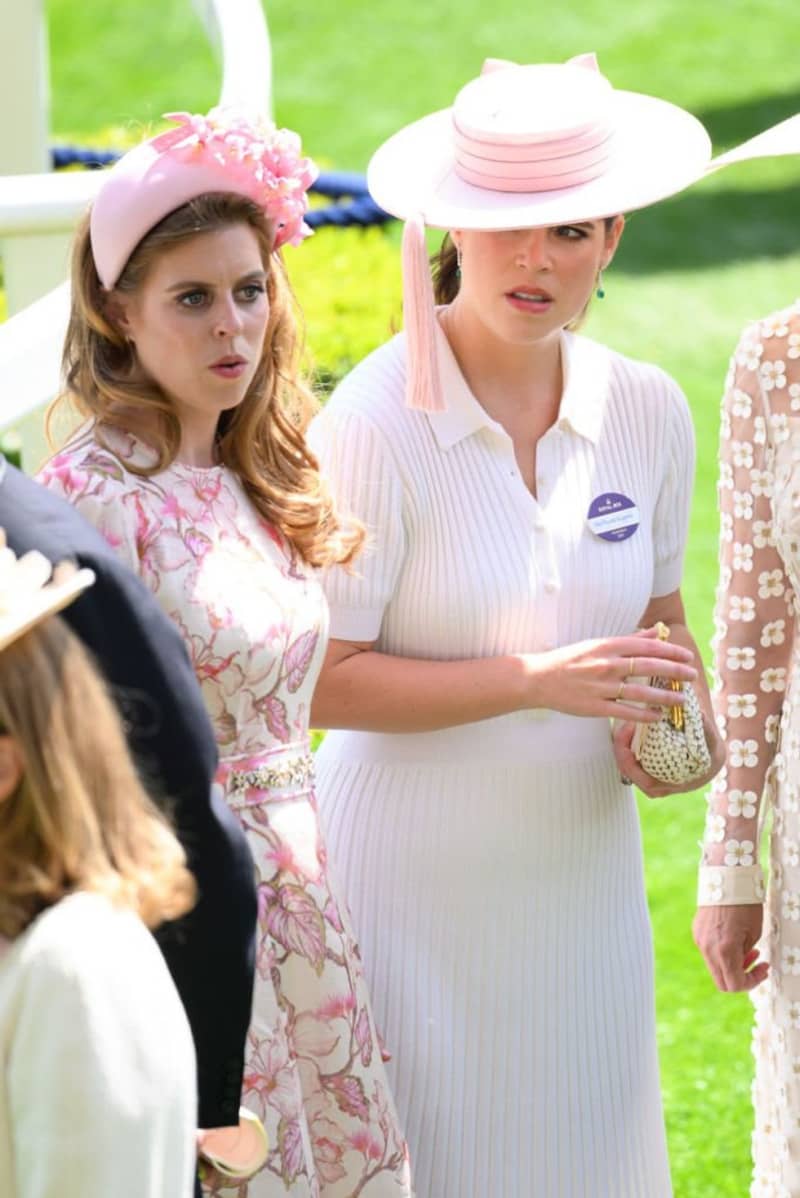
The Royal Rationale: Why Beatrice & Eugenie Face Exclusion
The British Royal Family, a venerable institution steeped in tradition, often finds itself navigating the complexities of modern public scrutiny. In recent years, few narratives have captured as much attention as the unfolding situation surrounding Princesses Beatrice and Eugenie, daughters of Prince Andrew and Sarah Ferguson. Reports have consistently suggested a significant shift in their public roles, notably highlighted by their alleged exclusion from prestigious events such as Royal Ascot. This move, rooted in deeply sensitive family matters, signals a broader strategy by the Palace to manage its image and protect the monarchy's reputation amidst lingering controversies.
The Unprecedented Exclusion from Royal Ascot
For generations, Royal Ascot has stood as a glittering fixture in the royal calendar, an occasion where members of the Royal Family traditionally gather in the Royal Box, participate in the iconic procession, and engage with the public. It is a spectacle of British pageantry, equestrian excellence, and high society. However, recent reports cast a stark shadow over this tradition for two specific members: Princesses Beatrice and Eugenie. According to various sources, including the Daily Mail, the sisters have reportedly been informed that they would not be joining the senior royals at the annual event. This decision, it is understood, extends to their absence from the coveted Royal Box and the royal procession.
The news reportedly came as a significant shock to both princesses. Insiders quoted by the Daily Mail suggested that Beatrice, in particular, was "completely blindsided" and "taken it the hardest." For individuals whose lives have been intertwined with such events since childhood, such an exclusion represents a profound personal and public blow. This unprecedented step, moving beyond mere speculation, firmly entrenches the narrative that these princesses banned Ascot is not merely a rumour, but a deliberate and strategic decision by the Palace, reflecting a broader shift in how certain members of the extended family are positioned within public royal life.
The Shadow of Association: Unpacking the Epstein Connection
The primary catalyst for this widely reported exclusion lies undeniably with the continued repercussions of Prince Andrew's association with convicted sex offender Jeffrey Epstein. Prince Andrew, the princesses' father, stepped back from his public royal duties in 2019 following a controversial BBC interview addressing his relationship with Epstein. The financier, who died by suicide in the same year while awaiting trial on sex trafficking charges, left behind a scandal that has deeply stained the House of York.
The fallout intensified when Andrew was connected to Virginia Giuffre, an outspoken Epstein victim who alleged she was coerced into having sex with him when she was 17. Despite Andrew's denials, Queen Elizabeth II stripped him of his military titles and royal patronages in January 2022 after a judge rejected his attempt to dismiss Giuffre’s sexual assault lawsuit. He subsequently settled with Giuffre out of court for an undisclosed sum. While Beatrice and Eugenie have never been implicated in any wrongdoing, the pervasive nature of the scandal, coupled with the revelation that their names reportedly appear multiple times in the "Epstein files," creates an inescapable connection that the Royal Family is evidently keen to distance itself from. The Palace's actions underscore a deep concern about public perception and the potential for any lingering association to undermine the monarchy's integrity and standing.
A Broader Royal Freeze-Out: Beyond Ascot
While the Royal Ascot exclusion captured immediate headlines, reports indicate that this decision is not an isolated incident but part of a more extensive strategy to limit the public-facing roles of Princesses Beatrice and Eugenie for the "foreseeable future." This broader "freeze-out" suggests high-level Palace discussions about the appropriate role for the sisters, particularly given persistent questions surrounding their family's financial dealings and any potential, however indirect, links to the controversial figures involved in their father's scandal. The Royal Family, as an institution, operates with an acute awareness of its image and reputation, particularly in the modern media landscape where scrutiny is relentless.
This strategic distancing extends beyond formal events. Sources have indicated a growing "gulf" between the sisters and the Prince and Princess of Wales, with Prince William reportedly advising other royals to avoid being photographed with Beatrice and Eugenie "for the rest of the year." Such a move, if true, highlights the significant concern within the senior ranks of the family regarding optics and potential reputational damage. The Palace appears to be acknowledging the serious risk that any suggestion of the princesses benefiting from, or being perceived to have turned a blind eye to, the dubious origins of their family's fortune could pose to the wider institution. For more details on this wider exclusion, readers can refer to Blindsided: Beatrice & Eugenie's Royal Exclusion Extends Past Ascot.
Navigating Royal Scrutiny in the Modern Era
The situation involving Princesses Beatrice and Eugenie serves as a potent illustration of the challenges facing the modern monarchy. Unlike previous generations where scandals could often be contained or managed with less public exposure, the digital age and 24/7 news cycle demand heightened transparency and impeccable conduct from all associated with the institution. The Royal Family today must constantly balance tradition with public expectation, often making difficult decisions that prioritize the long-term health and reputation of the Crown over individual family members' comfort or traditional roles.
For Beatrice and Eugenie, this period presents an immense personal and professional challenge. As non-working royals, they have sought to forge their own careers and public identities while maintaining strong familial ties. However, the shadow cast by their father's past continues to impact their ability to fully embrace their public roles. The Palace's strategic distancing, while undoubtedly painful for the sisters, reflects a pragmatic approach to safeguarding the monarchy's standing. It underscores the vital importance for all members of the Royal Family, particularly those in public-facing capacities, to adhere to the highest standards of integrity and to understand the profound impact of association in an increasingly interconnected and scrutinizing world.
In conclusion, the alleged exclusion of Princesses Beatrice and Eugenie from Royal Ascot and other prominent royal events marks a significant moment in the ongoing efforts by the British monarchy to manage its public image amidst complex family challenges. While deeply personal for the princesses, this decision is ultimately a strategic move by the Palace to protect the institution's reputation, especially in light of the lingering controversies surrounding Prince Andrew and the Epstein scandal. It highlights the difficult balance between familial loyalty and the imperative to maintain public trust in an ever-evolving world of intense scrutiny.