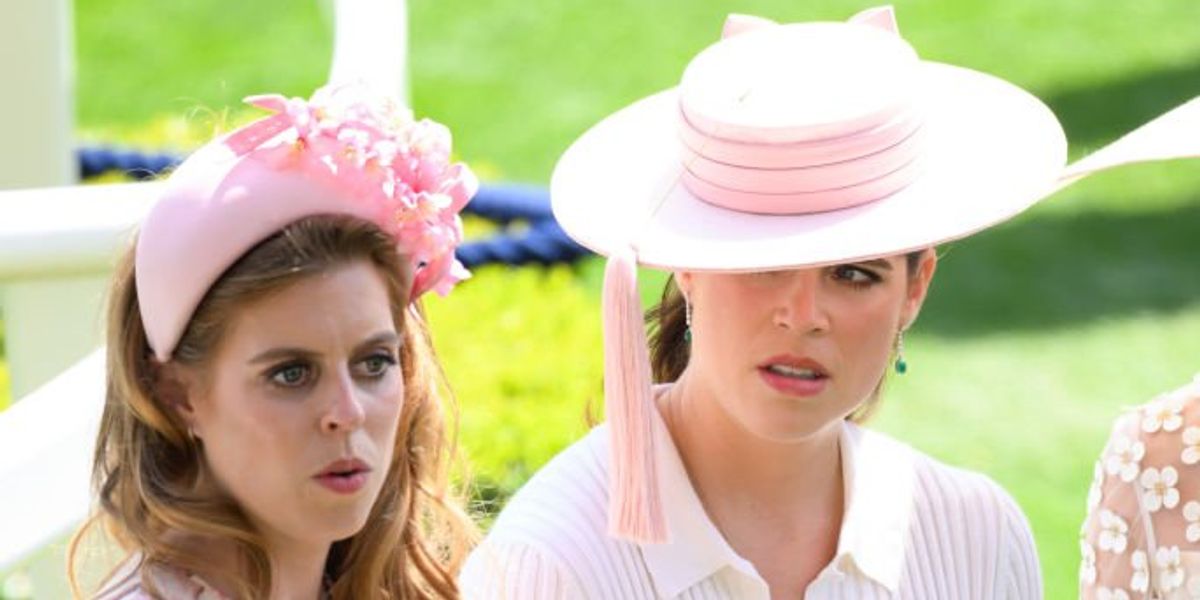
Blindsided: Beatrice & Eugenie's Royal Exclusion Extends Past Ascot
The hallowed grounds of Royal Ascot, synonymous with regal spectacle and high society, are set to witness an unprecedented absence this year. Princesses Beatrice and Eugenie, usually mainstays of the prestigious horse racing event, have reportedly been barred from attending. What began as a startling exclusion from the Royal Box and procession has quickly escalated into whispers of a much broader, long-term sidelining from public-facing royal duties. This drastic move by Buckingham Palace, which has left the sisters "completely blindsided," underscores the monarchy's relentless efforts to insulate itself from the lingering shadow of Prince Andrew's association with convicted sex offender Jeffrey Epstein. The narrative isn't just about two princesses banned from Ascot; it's about a deep-seated strategic maneuver to protect the Crown's integrity in an era of intense public scrutiny.
The Ascot Snub: A Shocking Development for the York Sisters
The news broke like a thunderclap across royal circles: Princess Beatrice, 37, and Princess Eugenie, 35, would not be joining the senior members of the royal family at Royal Ascot. A source close to the situation, speaking with the Daily Mail, confirmed the sisters were explicitly told they "can't be there this year." This wasn't merely a scheduling conflict or a personal choice; it was a deliberate exclusion orchestrated from the highest levels of the Palace.
Of the two, Princess Beatrice is said to have taken the news "the hardest," described as being "completely blindsided" by the decision. For years, the sisters have navigated the complexities of their father's controversial public image, striving to maintain their own roles within the extended royal family. Royal Ascot has always been a significant fixture in their calendars, offering a chance to engage with tradition and enjoy a prominent public platform alongside their relatives. To be denied a seat in the Royal Box and participation in the iconic Royal Procession is not just a social slight but a profound statement about their current standing within the Firm. Their father, Prince Andrew, and mother, Sarah Ferguson, are also understood to be absent from the senior royal engagements at the event, further solidifying the message.
Beyond the Racecourse: A Broader Royal Exclusion in Play?
While the immediate focus has been on the princesses banned from Ascot, reports suggest this could be merely the tip of the iceberg. Sources indicate that the decision to exclude Beatrice and Eugenie from Royal Ascot is part of a wider, more enduring strategy to keep them away from *all* public-facing royal events "for the foreseeable future." This expanded exclusion signals a critical shift in how Buckingham Palace views the sisters' roles and the potential risks their association carries.
High-level meetings at the Palace are said to have delved into the extent of Beatrice and Eugenie's past relationships with Jeffrey Epstein, including any potential financial links. It's understood that the sisters' names appear multiple times within the Epstein files, a detail that the monarchy cannot afford to ignore in its bid to maintain public trust. The unfolding scandal involving the House of York, specifically Prince Andrew's past, continues to cast a long shadow, and the Palace appears determined to create as much distance as possible between this controversy and the core working royals. This move highlights the monarchy's stringent efforts to safeguard its reputation, even if it means isolating family members. You can learn more about the broader context of their situation in
Royal Family Scrutiny: Why Beatrice & Eugenie Are Frozen Out.
The Epstein Shadow: Why the Palace Acts Now
The root cause of this unprecedented royal exclusion traces directly back to Prince Andrew's long-standing and deeply damaging association with Jeffrey Epstein. Andrew's public image began to unravel significantly in 2019 following a disastrous BBC interview, where he attempted to explain his friendship with Epstein, who had by then died by suicide while awaiting trial for sex trafficking charges. The fallout from this interview prompted Andrew to step back from his public royal duties.
The controversy intensified when Virginia Giuffre, an outspoken Epstein victim, alleged she was trafficked and made to have sex with Prince Andrew when she was 17. Despite Andrew's vehement denials, Queen Elizabeth II took decisive action in January 2022, stripping him of his military titles and royal patronages after a judge rejected his attempt to dismiss Giuffre’s sexual assault lawsuit. Andrew subsequently settled the lawsuit out of court for an undisclosed sum.
The Palace's current actions regarding Beatrice and Eugenie suggest a belated but firm recognition of the lingering reputational damage. Even though the princesses themselves have not been accused of any wrongdoing, their proximity to their father and the 'House of York' entanglement with Epstein remains a significant liability. The monarchy, particularly under the guidance of Prince William, is reportedly keen to keep the sisters "at arm's length" until greater clarity emerges regarding any historical links or financial connections. William is even said to have advised other royals against appearing in photographs with Beatrice and Eugenie "for the rest of the year." This underlines the serious risk perceived by the Palace: any suggestion that the princesses advanced their own interests or benefited from the Yorks' fortune, potentially by ignoring its source, poses a direct threat to the wider royal family's image and public standing. For a deeper dive into the specific reasons for their ban, read
Princesses Beatrice & Eugenie Banned From Royal Ascot Over Epstein Link.
Navigating Royal Scrutiny: Implications for the Monarchy
The decision to exclude Beatrice and Eugenie, particularly the ban from Royal Ascot, serves as a stark reminder of the monarchy's evolving strategy in managing public perception. In an age of instant information and heightened ethical expectations, the royal family understands that associations, even tangential ones, can have profound consequences. Here are some key implications and insights:
* **Protecting the Crown's Image:** The primary goal is undeniably to protect the institution of the monarchy. By creating distance from the Epstein scandal, the Palace aims to reassure the public that it upholds the highest standards of integrity, even if it involves difficult family decisions. This strategy prioritizes the stability and respectability of the Crown above individual family members' roles.
* **A Clear Message to Royal Relatives:** This move sends a powerful message to all extended members of the royal family: any association that could tarnish the monarchy's image will not be tolerated, irrespective of lineage. It reinforces the idea that royal privilege comes with stringent expectations of conduct and accountability.
* **The Burden of Association:** Beatrice and Eugenie, through no fault of their own regarding Epstein, are now bearing the brunt of their father's past. This highlights the inherent challenge for non-working royals who wish to maintain a public profile while being linked to controversial figures. The monarchy's approach suggests that bloodline alone is no longer sufficient to guarantee a place at the royal table for public-facing events.
* **Strategic Public Relations:** The Palace's actions can be seen as a strategic PR move. By taking a tough stance, they aim to pre-empt criticism and demonstrate proactive crisis management. In a world where every royal action is dissected, preventing damaging optics is paramount.
* **Repercussions for Charity Work and Patronages:** If the exclusion from public-facing events extends long-term, it could significantly impact Beatrice and Eugenie's ability to engage with their various charities and patronages effectively. Their visibility is often crucial for these organizations, and a diminished public role could curtail their influence and fundraising potential.
In essence, the Palace's decision reflects a calculated effort to draw a definitive line in the sand. It's about preserving the future legitimacy and moral authority of the monarchy, even if it means leaving certain family members, like the princesses banned from Ascot and potentially other events, in the royal wilderness for the foreseeable future.
The exclusion of Princesses Beatrice and Eugenie from Royal Ascot, and potentially all future public-facing royal events, represents a pivotal moment for the House of Windsor. It underscores the monarchy's unwavering commitment to safeguarding its reputation in the face of persistent scandal tied to Prince Andrew and Jeffrey Epstein. While the sisters are reportedly "blindsided" and deeply affected, this strategic move by Buckingham Palace, seemingly spearheaded by Prince William, serves as a clear declaration: the integrity of the Crown will always take precedence. As the royal family continues to navigate its complex challenges, the enduring shadow of past associations demands decisive action, even if it means painful personal sacrifices for those caught in its wake.